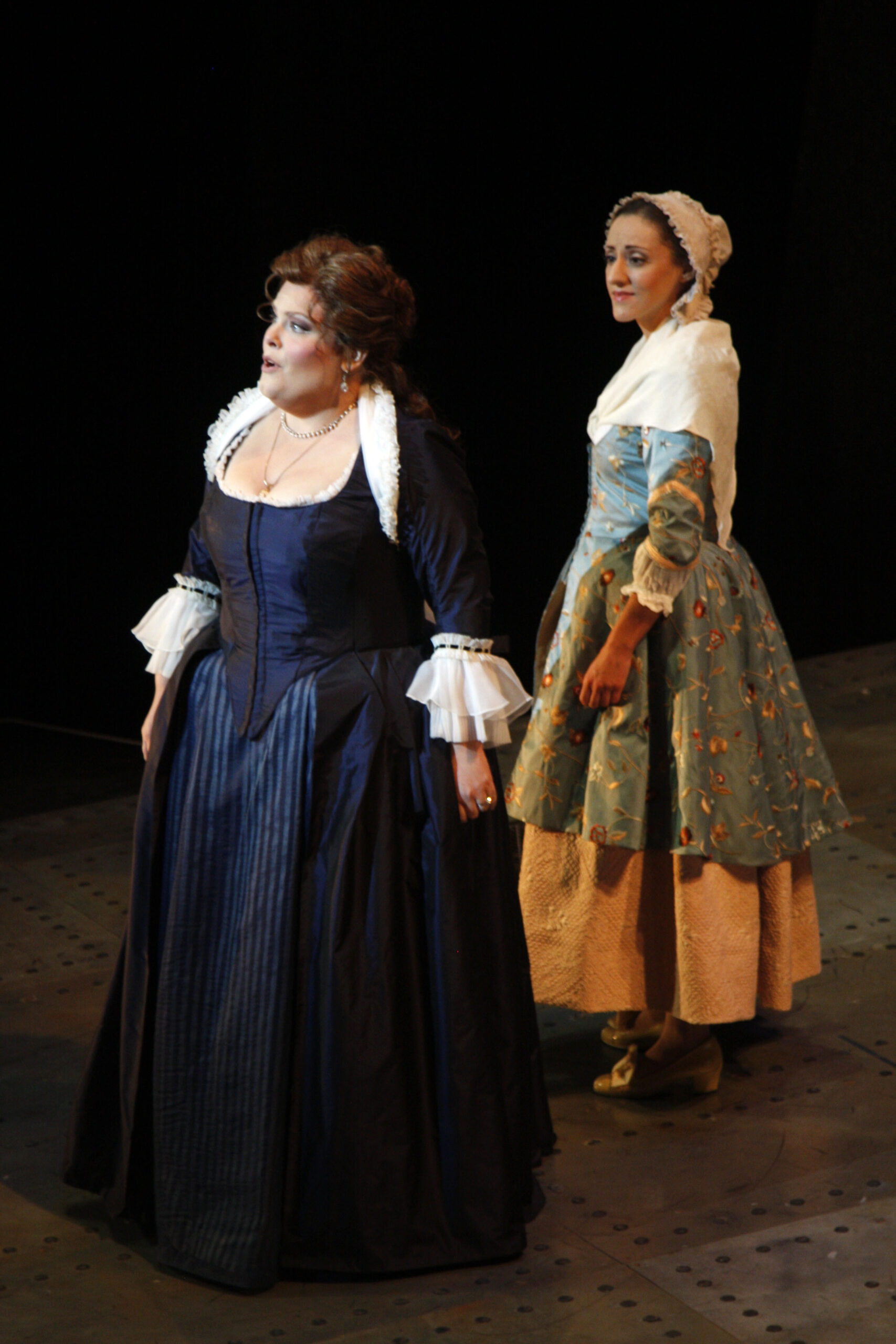
Il Trovatore

By Giuseppe Verdi

Verdi's Il Trovatore at Utah Opera

Love is never simple when a gypsy's curse is involved.

Il Trovatore (The Troubadour) is a lively story of romance, obsession, and revenge. The turmoil and rage that unfold after a gypsy's unthinkable act climax into one of opera's greatest finales - a final act filled with sword fights, death, revenge, and ultimately regret.


Additional Info

Buy Tickets - Capitol Theatre | Saturday, October 13, 2012 7:30 PM
Buy Tickets - Capitol Theatre | Monday, October 15, 2012 7:30 PM
Buy Tickets - Capitol Theatre | Wednesday, October 17, 2012 7:30 PM
Buy Tickets - Capitol Theatre | Friday, October 19, 2012 7:30 PM
Buy Tickets - Capitol Theatre | Sunday, October 21, 2012 2 PM

Purchase Season Tickets today!

Youth in grades 2– 12 (age 8 and older) can enjoy this Utah Symphony performance for $10. Click here for details on youth tickets.

If you are 30 or younger, discounted tickets are available for this performance through USUO's Upbeat program. Click here for details on Upbeat.

Count di Luna - Michael Chioldi
Manrico - Scott Piper
Leonora - Jennifer Check
Azucena - Elizabeth Bishop
Ferrando - Mark Schniable
Ines - Sishel Claverie
Ruiz - Andrew Penning

Conductor - Robert Tweten
Stage Director - Kevin Newbury
Set Designer - Allen Moyer
Lighting Design - D.M. Wood
Costume Design - Jessica Jahn
Wigs/Make-up - Yancey Quick
Properties - Kelly Nickle

Act I
Scene 1
"The Duel"
The Palace of Aliaferia.
In the vestibule of the palace at Aliaferia, home of the heroine Leonora, the soldier Ferrando recounts the history of the DiLuna family to the servants and soldiers about him. When Count di Luna's two sons were small children an elderly witch cast a spell on one of them. For this crime, she was burned at the stake. In revenge, her daughter, the witch Azucena, stole the Count's other son and cast him into a fire. For years now, everyone has pursued this woman, anxious to bring her to justice. Meanwhile, the ghost of her mother continues to haunt the region in the form of an owl. As everyone becomes intent on the story, the midnight bell tolls and all curse the witch. Outside, Count Di Luna waits to court the lovely Leonora.

Scene 2
Gardens of the Palace.
In the castle garden, Leonora confides to her friend, Inez, her love for a mysterious knight. She has heard him serenading her from afar. Once before they had met at a tournament, when she crowned him victor of the games, many years before. Miraculously he has returned, although Leonora had thought him lost. Inez warns this love bodes ill, but Leonora swears her devotion to her admirer. The two women return to the palace as Count Di Luna enters, and a hidden troubadour begins his off-stage serenade. Leonora rushes from the palace directly into Di Luna's arms. And, when the troubadour, her mysterious lover, Manrico, appears the Count immediately challenges him to a duel. The two men now exit, preparing for a sword fight.

Act II
Scene 1
"The Gypsy"
An encampment of the gypsies.
At their camp in the mountains of Biscay, a large band of gypsies break into a rousing "Anvil Chorus." Immediately after, the witch Azucena takes center stage with her aria "Stride la vampa," exclaiming about the horrifying experience of seeing her mother wrongly burned alive for the supposed crime of bewitching Count di Luna's child. She explains to her son Manrico (the mysterious troubadour) how she had stolen a child of the Count's, intending to cast him into the flames in revenge. Mistakenly, however, she threw her own child to the fire instead. At this moment, the audience may be aware that Manrico is, in fact, the brother of his rival, Count di Luna. Manrico, however, remains puzzled and questions Azucena about his true identity. She is his mother, she assures him.
Manrico sings of his unusual duel with the Count, amazed at his inability to kill Di Luna when he had him beaten. Some strange force inspired him to spare the Count's life. Suddenly, a message arrives from the Prince at the castle of Castellor, asking for Manrico's aid in combating Di Luna's forces. Leonora, he is told, thinks him dead and is about to join the holy order of nuns at the convent in Castellor. Despite Azucena's protests, Manrico rushes away.

Scene 2
The Count stands ready at the convent to abduct Leonora before she takes her vows. In "Il balen" he sings of his tormented heart. As the chorus of nuns explains the ceremony underway, di Luna attempts to kidnap Leonora. Manrico appears with his contingent of soldiers. Di Luna's plan is thwarted and the lovers reunited. The scene ends in an emotional ensemble.

Act III
Scene 1
"The Gypsy's Son"
The Camp of Count Di Luna.
Outside Castellor, Di Luna's army sings enthusiastically about the pleasures of gambling. Inside the castle, Manrico plans his military defense and his marriage to Leonora. A gypsy woman is found prowling the shadows of the camp and captured.. Taken to Di Luna, she is identified by Ferrando as the witch who kidnapped the old Count's son. Di Luna commands her to be burned at the stake when she cries out to Manrico for deliverance.

Scene 2
The Chapel in the Stronghold of Castellor.
In Castellor, Manrico declares his undying devotion to Leonora in the lyrical "A si ben mio." But the messenger, Ruiz, runs in with the news that his Azucena has been imprisoned by Di Luna and hasn't long to live. With this announcement, Manrico seizes his sword and rallies his forces with the stirring aria, "Di quella pira!"

Act IV
Scene 1
"The Ordeal"
The Dungeon Tower of Aliaferia.
Far from victorious in his assault on Di Luna's camp, Manrico has been captured and ordered to be beheaded. Outside the prison tower, Leonora cries in despair, while monks intone the "Miserere" for those soon to die. Manrico sings his sad farewell to life. As the Count enters, Leonora pleads for clemency for Manrico and offers to give herself in exchange for her lover's safety. When the Count agrees, Leonora secretly swallows a dose of poison hidden in her ring.

Scene 2
The Interior of the Tower.
In prison, Manrico sings to his mother, Azucena, of their peaceful mountain home. Together they reminisce in the duet "Ai nostri monti." Leonora arrives begging him to flee. Hearing of her bargain with the Count, Manrico is infuriated, then realizes she has preserved her honor with poison. Azucena deliriously continues singing sweet memories of home. The Count enters and, witnessing the death of Leonora realizes he has been deceived. He orders Manrico's immediate execution and, further, that Azucena be forced to watch her son's demise. At the window, Azucena turns triumphant vengeance on Count Di Luna with the cry: "Egli era tuo fratello! - "He was your brother!"

There is an online learning course available for Verdi's Il Trovatore by visiting this link.

For move behind the scenes action, please visit Backstage at Utah Opera.